Common problems when booking a Clapham rubbish clearance service
Booking rubbish clearance sounds simple enough. You want the waste gone, the space back, and no fuss on the day. But in Clapham, the process can go sideways in a few very ordinary ways: vague quotes, poor access, missed time slots, unclear disposal rules, and that awkward moment when the team arrives and the pile is bigger than expected. Common problems when booking a Clapham rubbish clearance service usually come down to poor communication, rushed planning, and not asking the right questions upfront.
This guide breaks down the issues people run into most often, why they happen, and how to avoid them. If you are clearing a flat off Clapham High Street, shifting a sofa from a top-floor Victorian terrace, or sorting out builder's waste after a refit, a bit of preparation saves time, money, and a fair amount of annoyance.
And let's be honest, nobody wants to be standing by the front door at 8 a.m. with a recycling bag in one hand and a deadline in the other.
Contents
- Why these booking problems matter
- How rubbish clearance bookings usually work
- Key benefits of getting the booking right
- Who this is for and when it makes sense
- Step-by-step guidance before you book
- Expert tips for better results
- Common mistakes to avoid
- Tools, resources and recommendations
- Law, compliance and best practice
- Options and comparison table
- Case study or real-world example
- Practical checklist
- Conclusion
- Frequently asked questions
Why Common problems when booking a Clapham rubbish clearance service Matters
A rubbish clearance booking is not just an admin task. It affects access, timing, safety, neighbours, and in many cases your total cost. In a busy London area like Clapham, small mistakes tend to snowball. A van cannot park where you thought it could. The lift is out of service. The item you wanted cleared is actually too large for the originally discussed load. Suddenly a quick job becomes a longer, more expensive one.
This matters even more if you are trying to coordinate around a moving day, an end-of-tenancy deadline, a renovation, or a business clean-out. If the waste stays too long, it gets in the way. If it is removed badly, you may pay twice: once in money and once in stress.
There is also a trust angle. A decent clearance service should explain what they take, how they price jobs, and what happens to reusable or recyclable materials. If that information is fuzzy, you are not really comparing services properly. You are guessing. And guessing with rubbish clearance is rarely a good plan.
For a broader view of what different clearance types involve, it can help to look at services such as home clearance, flat clearance, or general waste removal, because each one has slightly different logistics.
How Common problems when booking a Clapham rubbish clearance service Works
Most clearance bookings follow a simple pattern: you describe the waste, the provider estimates the job, a collection time is arranged, and the team arrives to load, remove, and dispose of the items. Sounds tidy. In practice, problems tend to appear at the handover stage, when assumptions meet reality.
Here is the usual flow:
- You request a quote or call for an estimate.
- You describe the items, access, and timing.
- The provider gives a price range or a fixed price.
- A slot is booked for collection.
- The team arrives, checks the load, and begins work.
- The waste is removed and taken for sorting, reuse, recycling, or disposal.
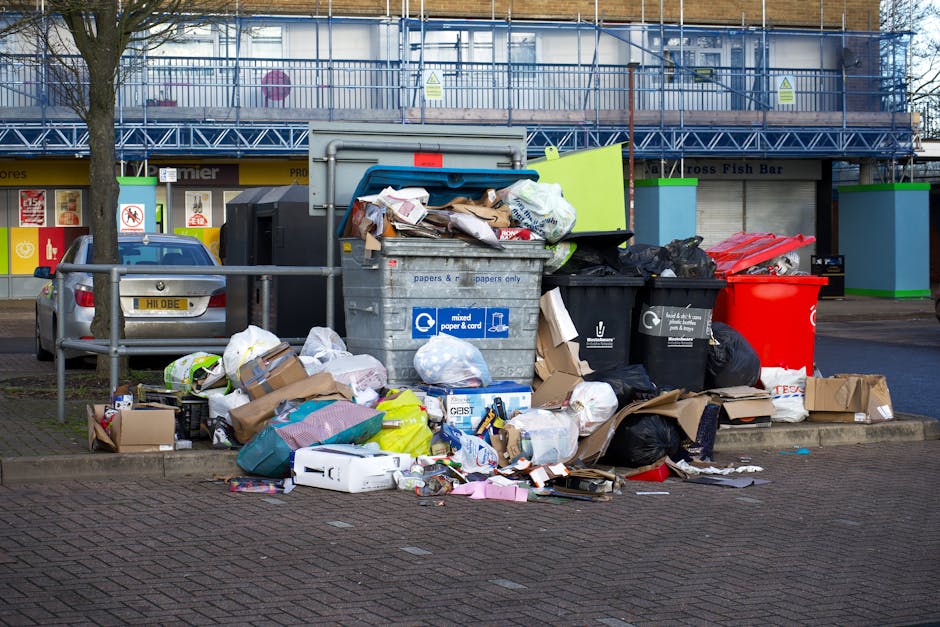
The trouble often starts if the first description was incomplete. Maybe the pile includes a broken wardrobe, mixed black bags, some old tiles, and a rusted bike frame. Maybe the back alley is too narrow for the van. Maybe the job is in a second-floor flat with no lift. Each of those details can affect the booking, the vehicle used, and the final price.
To be fair, this is not always the customer's fault. Some providers rush the conversation and do not ask enough questions. But the safest bookings are always the ones where both sides are clear about size, access, timing, and the type of waste involved.
If you are dealing with more specific items, the same principle applies. Furniture jobs may be better handled through furniture clearance or furniture disposal, while outdoor clear-ups often fit garden clearance or garage clearance.
Key Benefits and Practical Advantages
When the booking is handled properly, rubbish clearance is one of those jobs that gives you an immediate, visible payoff. You walk into the room and it feels lighter. You open the garage and, for once, there is actual floor space. Nice, isn't it?
- Less stress: You avoid last-minute phone calls, confusion, and surprise charges.
- Better timing: The job fits around your move, renovation, or work schedule.
- Cleaner access: Clear instructions help the crew plan the right vehicle and manpower.
- More accurate pricing: Good details usually lead to a fairer quote.
- Safer handling: Heavy or awkward items are managed with fewer risks.
- Better disposal outcomes: Items can be sorted for reuse, recycling, or responsible disposal.
Another benefit that people sometimes overlook is emotional. A cluttered room has a way of hanging over you. Once the waste goes, the whole place can feel calmer. You notice the light more. The hallway looks wider. The pressure drops a notch.
Businesses feel this too. Offices and commercial spaces are easier to work in when rubbish is removed on time, especially after fit-outs or clear downs. For that, services like office clearance and business waste removal are often the more suitable fit.
Who This Is For and When It Makes Sense
This topic matters if you are planning any kind of rubbish or bulky item clearance in Clapham and want to avoid a messy booking experience. That includes homeowners, renters, landlords, letting agents, shop owners, office managers, builders, and people clearing a property after a change in circumstances.
It is especially useful if you are:
- moving out and need a fast turnaround
- clearing an inherited property
- getting rid of old furniture or appliances
- tidying a loft, garage, basement, or shed
- removing builder's waste after DIY or renovations
- emptying an office, studio, or commercial unit
- trying to compare several local rubbish clearance quotes
If the job is simple and small, you may only need a standard removal slot. If the access is awkward, the load is mixed, or the items are heavy, then details matter a lot more. A classic Clapham example is the top-floor flat with narrow stairs and one very chunky sofa. The sofa looks innocent in the lounge. Getting it out is another story entirely.
For more complex property clearances, it can be useful to understand the difference between house clearance, loft clearance, and builders waste clearance.
Step-by-Step Guidance
If you want to avoid the common traps, use a simple process before you book. Nothing fancy. Just a bit of order.
1. List exactly what needs removing
Write down the items or take a few photos. Be specific about mixed waste, bulky furniture, broken items, and anything unusually heavy. A quick list is much better than a vague "some stuff in the back room".
2. Check access properly
Think about stairs, lifts, narrow hallways, parking, and whether the vehicle can stop near the property. In Clapham, access can be the deciding factor. A parking plan sounds dull until the van has to circle the block.
3. Ask how pricing works
Find out whether the quote is fixed or based on volume, weight, labour, or the type of waste. Ask what could change the final amount. If a quote seems oddly low, it may be because key details were left out.
4. Confirm timing and arrival window
Make sure you know whether the team gives an exact slot or a wider window. If you need to coordinate with a tenancy handover or contractor, this matters a lot.
5. Check what the service can actually take
Not every provider handles every material in the same way. Mixed household waste, furniture, garden waste, and construction debris may each have different handling needs. Ask before you assume.
6. Ask about reuse, recycling, and disposal
A good provider should be able to explain what happens after collection in plain English. You do not need a lecture, just enough clarity to know the waste will be dealt with properly.
7. Get the booking details in writing
A confirmation email or message can save a lot of back-and-forth. Keep the date, time, access notes, and quote details handy. Small thing, big payoff.
Expert Tips for Better Results
Here is the practical bit. These are the habits that usually separate a smooth booking from a frustrating one.
- Send photos from several angles. A single picture often hides the full size of the load.
- Measure bulky items. If you are unsure whether a wardrobe or sofa will fit through the hallway, measure it before the booking.
- Group similar waste together. Keep furniture, loose rubbish, and building debris separate where possible.
- Prepare the route out of the property. Move bikes, bins, plants, or boxes from the path the crew will need.
- Plan for parking early. In busier parts of Clapham, parking can make or break the timing.
- Be honest about the amount. Underestimating the volume is one of the fastest ways to get an awkward price conversation later.
- Ask what happens if the load changes. Some jobs are bigger on arrival than they looked from the hallway. It happens.
One useful rule of thumb: if the job feels like it might need two people, a bigger vehicle, or longer loading time, mention that from the start. Better to sound overly cautious than to discover the quote was built on wishful thinking.
Expert summary: The easiest way to avoid booking problems is to treat the quote as a planning conversation, not just a price check. The more the provider knows about load, access, timing, and item type, the fewer surprises on the day.
If you are also comparing service policies, pages such as pricing and quotes, payment and security, and insurance and safety are worth reviewing.
Common Mistakes to Avoid
Most booking issues come from a handful of predictable mistakes. The good news? They are easy to avoid once you know what they are.
- Giving a vague description: "A few items" can mean anything.
- Forgetting access details: Narrow stairs, parking limits, or no lift are not minor details.
- Assuming all waste is treated the same: Different loads can involve different handling.
- Booking too close to your deadline: That leaves no room for delays.
- Not checking what is included: Labour, loading time, or disposal fees may affect the final bill.
- Leaving sorting until the crew arrives: That can slow everything down and muddle the price.
- Ignoring cancellation or rescheduling terms: Life happens, but terms still matter.
Another subtle mistake is choosing the cheapest-looking option without asking how the quote was built. Sometimes the bargain quote is perfectly genuine. Sometimes it is missing the very thing that will cost you more later. Bit of a trap, really.
If your clearance involves a specific room or item type, use the most relevant service page rather than a generic approach. For example, garage clearance suits cluttered storage spaces, while furniture disposal may be more appropriate for single bulky items.
Tools, Resources and Recommendations
You do not need specialist equipment to book a clearance properly, but a few simple tools help.
- Phone camera: Use it to photograph the waste pile and access route.
- Measuring tape: Handy for furniture, stair widths, and door frames.
- Notebook or notes app: Keep the item list, dates, and quote notes in one place.
- Calendar reminder: Useful for booking windows, move-out dates, and follow-ups.
- Bin bags or labels: Helpful if you want to sort keep, donate, recycle, and remove piles before the collection.
In practical terms, the best "resource" is a clear conversation. That sounds almost too simple, but it works. A five-minute call with a good description usually beats ten minutes of confusion on the kerb.
It may also help to review policy pages that explain the business side of the service, including recycling and sustainability, health and safety policy, and complaints procedure.
Law, Compliance, Standards, or Best Practice
Rubbish clearance in the UK sits inside a broader framework of waste responsibility, safe handling, and proper disposal. You do not need to know every technical detail to book a service, but it does help to understand the basics.
As a customer, best practice is to use a provider that can explain where waste goes, how it is handled, and what happens to items that can be reused or recycled. You should also be careful not to hand over waste to anyone who seems unable or unwilling to explain their process. If something feels off, trust that feeling.
For households and businesses alike, the main practical concern is avoiding fly-tipping risk and making sure waste is handled responsibly. That means using clear booking details, checking service scope, and keeping records of what was agreed. If you are clearing a property for work, insurance, or tenancy reasons, those notes can be more useful than people expect.
Safety matters too. Heavy lifting, sharp edges, broken glass, damp waste, and awkward furniture are all part of the job. Good clearance work should be planned with that in mind. In busy homes and small stairwells, a careful team is not a luxury. It is basic common sense.
For commercial clients, services such as office clearance and business waste removal are often chosen because they fit structured access, tenancy handovers, or workplace schedules more neatly than ad hoc removal.
Options, Methods, or Comparison Table
Different clearance jobs call for different approaches. Here is a simple comparison to help you decide what fits best.
| Option | Best for | Watch out for | Typical advantage |
|---|---|---|---|
| Standard rubbish clearance | Mixed household waste, bags, small items | Vague descriptions can lead to price surprises | Quick and flexible |
| Furniture clearance | Sofas, beds, wardrobes, tables | Size, weight, and stair access | Good for bulky single items |
| House or home clearance | Multiple rooms, full-property clear-outs | More planning needed for volume and sorting | Efficient for larger jobs |
| Flat clearance | Flats, upper floors, tight access | Lifts, stairwells, parking restrictions | Useful in dense urban settings |
| Garden or garage clearance | Outdoor waste, tools, storage clutter | Soil, mixed material, damp items | Good for seasonal or storage refreshes |
| Builders waste clearance | DIY debris, renovation waste | Weight, dust, and mixed construction material | Helps keep projects moving |
If you are unsure, think about the shape of the job rather than just the item type. A single sofa is not the same as a sofa plus broken wardrobes plus stair access plus no parking. That bundle changes everything.
Case Study or Real-World Example
A typical Clapham booking might go like this. A couple in a top-floor flat wants to clear out an old sofa, two armchairs, a broken desk, and several bags of mixed household waste before a tenancy inspection on Friday afternoon. They call for a quote on Wednesday and describe the job quickly, saying it is "not much".
At first glance, the booking seems straightforward. Then the details come out: no lift, a narrow stairwell, limited parking, and one bulky sofa that has to be turned awkwardly at the landing. The provider adjusts the estimate and schedules enough time for two people and a slightly larger vehicle. The job still gets done, but only because the access issues were discussed early.
Now compare that with a second version of the same story. The customer underreports the load, forgets to mention the stairs, and assumes parking will be fine. The team arrives, realises the job is bigger than planned, and has to renegotiate. Everyone is polite, but the mood is different. You can feel it. The day becomes slower and less tidy. Not disastrous, just needlessly stressful.
The lesson is simple: a good booking is built on detail, not optimism. That is true whether you are clearing a flat, a house, or a cluttered garage after years of "I'll deal with that later".
Practical Checklist
Use this quick checklist before you confirm a Clapham rubbish clearance booking.
- Have you listed every item or bag to be removed?
- Have you sent photos of the waste and access route?
- Do you know whether the quote is fixed or variable?
- Have you checked stairs, lifts, parking, and entry points?
- Do you know the collection window and estimated arrival time?
- Have you asked what waste types the service accepts?
- Have you checked how the provider handles reuse and recycling?
- Do you know what could change the final cost?
- Have you stored the booking confirmation safely?
- Have you cleared a path so the team can work efficiently?
If you can tick most of those off, you are already ahead of the game. Honestly, that little bit of prep makes a bigger difference than people expect.
Get a free quote today and see how much you can save.
Conclusion
The most common problems when booking a Clapham rubbish clearance service are usually avoidable. They happen when the load is described too loosely, access is not checked, pricing is not clarified, or the booking is left until the last minute. None of that is unusual. It just means the job needs a bit more care than people first expect.
If you take away one thing, let it be this: the best rubbish clearance bookings are clear, specific, and realistic. That does not mean overcomplicating the process. It means giving the provider enough information to do the job properly the first time. Simple, really.
And when it all goes smoothly, the difference is immediate. The space opens up. The room feels usable again. That's a good feeling, every time.
Frequently Asked Questions
What are the most common problems when booking a Clapham rubbish clearance service?
The most common issues are vague quotes, unclear access details, parking problems, wrong assumptions about what the service takes, and last-minute changes to the job size.
How can I avoid hidden charges on a rubbish clearance booking?
Give a detailed description, share photos, ask whether the quote is fixed, and confirm what could affect the final price before you book.
Does access matter that much for a Clapham clearance job?
Yes. In many Clapham properties, stairs, tight hallways, and limited parking can affect timing, labour, and vehicle choice. It is one of the biggest booking variables.
Should I separate furniture from general rubbish before collection?
If possible, yes. Separate waste helps the provider assess the job more accurately and can make loading quicker and tidier.
What if the amount of waste is bigger than I first thought?
Tell the provider as soon as you realise. It is much easier to adjust the booking early than to negotiate on the doorstep.
Is rubbish clearance suitable for flats and upper-floor properties?
Yes, but the booking should reflect the access properly. Flat clearance jobs often need more planning than ground-floor removals.
How far in advance should I book a rubbish clearance service?
As early as you can, especially if you have a move-out deadline, renovation timetable, or busy weekday collection window. Leaving it late creates avoidable pressure.
What details should I have ready before requesting a quote?
Have item photos, rough volume, access notes, parking information, and the collection timeframe ready. That usually leads to a far more accurate quote.
Can rubbish clearance cover bulky furniture as well as mixed waste?
Often yes, but the mix matters. Bulky furniture, bags of general waste, and construction debris may all affect how the job is assessed.
What should I check in a service's policies before booking?
It is sensible to review pricing, payment and security, insurance and safety, complaints handling, and recycling or sustainability information where available.
Is it better to book a specific service like garden or loft clearance?
Usually, yes. A specific service often matches the job more closely and makes it easier for the provider to plan the right equipment and time.
What is the simplest way to make the booking go smoothly?
Be clear, be honest about the load, share photos, and confirm the collection details in writing. A five-minute bit of prep can save a lot of hassle later.
If you are ready to clear space without the usual back-and-forth, the next step is simple: choose the right service, describe the job properly, and book with confidence. That is usually where the stress starts to melt away.