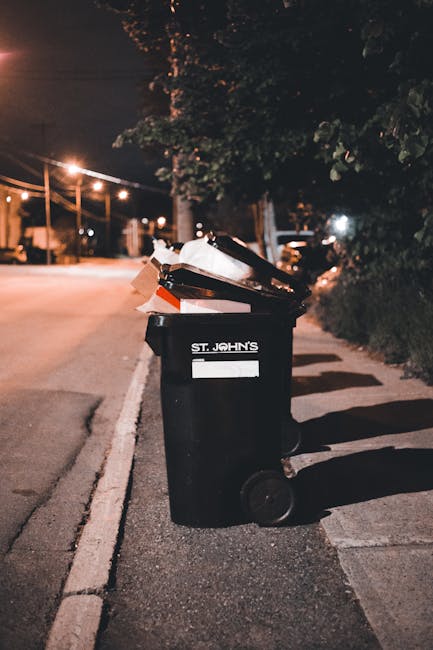
Lambeth Council rules for rubbish disposal in Clapham explained
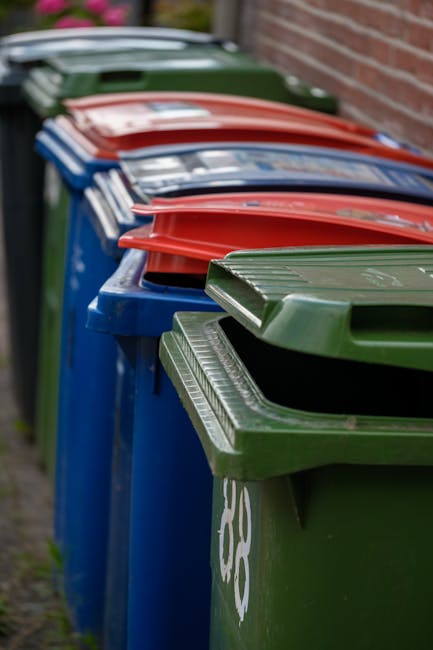
If you live, rent, run a business, or manage a property in Clapham, rubbish disposal can get confusing fast. One minute it is a broken chair or a bin bag too many; the next, you are trying to work out what Lambeth Council expects, what counts as fly-tipping, and when a proper clearance service makes more sense. This guide to Lambeth Council rules for rubbish disposal in Clapham explained breaks it down in plain English, so you can deal with waste properly, avoid fines, and keep your street, block, or home tidy without the faff.
Truth be told, most people only need a straightforward answer: what can I put out, when, and how do I stay on the right side of the rules? That is exactly what follows. You will get a practical overview, common mistakes to avoid, and a few real-world tips from the kind of situations that come up in Clapham every week. No jargon-heavy nonsense.
Why Lambeth Council rules for rubbish disposal in Clapham explained Matters
Waste rules are not just a council admin issue. In Clapham, they affect how clean the pavement looks on a Sunday morning, how quickly a pile of rubbish attracts attention, and whether your household or business ends up dealing with complaints. And yes, a wrong move can become an expensive one. Leaving bags where they should not be left, putting out the wrong items, or using an unlicensed collector can all create problems that are far more annoying than the original mess.
There is also the local reality. Clapham has a mix of Victorian terraces, mansion blocks, flats above shops, managed estates, shared houses, and busy commercial streets. That means rubbish disposal is rarely as simple as "put it out and forget it". Access can be awkward, storage space is limited, and collections need a bit of planning. If you have ever stood in a narrow hallway with an old wardrobe and thought, where on earth is this meant to go?, you are not alone.
The main thing to understand is this: Lambeth expects residents and businesses to manage waste responsibly, separate it sensibly, and dispose of it through approved channels. That may sound obvious, but in practice it includes knowing what goes in household bins, what needs special handling, what can be recycled, and what should be booked for removal through a proper route. For larger clearances, services such as waste removal support can be a practical option when the job goes beyond normal bin day.
How Lambeth Council rules for rubbish disposal in Clapham explained Works
At a practical level, rubbish disposal in Clapham usually falls into a few buckets: regular household waste, recycling, bulky items, garden waste, trade or business waste, and specialist items that cannot simply be thrown into a bin. The exact bin set-up can vary by property type, but the basic idea stays the same. Waste should be stored safely, presented correctly, and collected in a way that does not block public space or create a nuisance.
For many households, the normal rhythm is simple enough: use the correct bin, place it out on the scheduled day, and bring it back in as soon as possible. That last bit matters more than people think. Bins left out for too long can cause litter, block pavements, and invite complaints from neighbours. In Clapham, where foot traffic is often heavy and front spaces are tight, that sort of thing gets noticed quickly.
Bulky waste is where things get more interesting. Sofas, mattresses, broken furniture, white goods, and renovation debris often need separate handling. You may be able to arrange council collection options in some cases, but many people find it more efficient to use a dedicated clearance service, especially when timing matters or access is awkward. If you are dealing with a full flat turnaround, a flat clearance service can be a more realistic route than trying to make multiple trips yourself.
Another important point: not everything is classed as ordinary rubbish. Paint tins, electrical equipment, some construction materials, and certain garden or DIY waste can need special disposal methods. That is where the "just chuck it in the bin" approach falls apart. To be fair, people often only discover this when they are halfway through a clear-out and there is a pile of odd items on the landing.
For businesses, the expectations are even more structured. Commercial waste needs proper storage, collection, and records. If you are managing a shop, office, cafe, or small workspace in or around Clapham, it is worth using a service designed for that environment, such as business waste removal or, for workspace resets, office clearance.
Key Benefits and Practical Advantages
Following the rules has some very ordinary but very real benefits. First, it keeps your property cleaner and more liveable. Second, it reduces the chance of pest issues, odours, and fly-tipping problems nearby. Third, it saves time. Once you know what belongs where, waste becomes a routine task rather than a recurring headache.
There is also a money angle. A lot of people assume the cheapest option is to leave items outside and deal with them later. Usually, that is where costs creep in. You might face missed collection problems, replacement charges, or the expense of clearing up after a failed attempt. Getting it right the first time is usually the cheaper route in the long run, even if it feels less dramatic.
Here are some practical advantages that matter in Clapham specifically:
- Less clutter in shared hallways, front gardens, and bin stores
- Fewer complaints from neighbours, landlords, or managing agents
- Cleaner streets and better communal areas
- Less risk of putting restricted items in the wrong stream
- Faster clear-outs when you are moving, refurbishing, or downsizing
If you are sorting through furniture, the right disposal route can make a huge difference. Some items are ideal for reuse, some are only fit for recycling, and some need careful removal. In those situations, a service like furniture disposal or furniture clearance may be a better fit than trying to squeeze everything into standard waste.
Who This Is For and When It Makes Sense
This guide is for anyone in Clapham who has waste to dispose of and wants to do it properly. That includes homeowners, tenants, landlords, letting agents, tradespeople, office managers, shop owners, and anyone dealing with a one-off clear-out after a move, refurb, or bereavement. It also helps if you are simply tired of guessing whether a bin bag is allowed in the communal bin store. Let's face it, nobody enjoys that moment of uncertainty on a rainy evening.
You will find it especially useful if you are:
- moving out and need to clear unwanted items quickly
- renovating and dealing with builders waste
- emptying a loft, garage, or garden shed
- sorting bulky furniture from a flat or maisonette
- managing business waste on a fixed schedule
- trying to avoid complaints in a shared building
For example, a tenant in a first-floor Clapham flat might have two wardrobes, a broken desk, and a pile of mixed rubbish after a move. In that case, the normal collection route may not be enough. The practical choice may be a broader home clearance or, if the property is particularly full, a house clearance. That is not overkill. It is just matching the method to the mess.
Garden waste is another common case. Bags of soil, branches, old planters, and broken outdoor furniture can add up quickly after a weekend tidy-up. If that sounds familiar, garden clearance is often the cleanest way to handle the lot in one go.
Step-by-Step Guidance
If you want to stay on the right side of Lambeth's waste rules without overthinking it, work through the job in stages. Small and steady wins here. Rushing usually leads to the wrong bag, the wrong pile, or the wrong collection day.
- Identify the waste type. Separate ordinary household rubbish from recycling, bulky items, electricals, garden waste, and anything that might need special handling.
- Check storage and access. In a Clapham flat or terrace, think about stairs, narrow hallways, and shared entrances before moving anything out.
- Use the correct container. Put items in the right bin or bag, and avoid overfilling. Lids should close properly where possible.
- Set items out at the right time. Keep collections tidy and avoid leaving waste on the pavement for longer than needed.
- Keep hazardous or restricted items separate. Do not mix batteries, paint, or electricals with general rubbish.
- Arrange specialist help for bulky or mixed loads. If the job is bigger than one bin day, book the right service instead of improvising.
A useful habit is to create three piles while sorting: keep, donate/reuse, and dispose. It sounds basic, but it stops useful items being mixed into the rubbish by accident. And once something is crushed under a pile of old packaging, it becomes much harder to rethink your plan. A bit of discipline now saves a lot of sighing later.
Expert Tips for Better Results
One of the simplest ways to avoid trouble is to plan around the property, not just the waste. In a busy Clapham street, timing matters. Early starts can help with access, while weekday collections may be easier than trying to manage a full clear-out on a packed weekend. If you are working around neighbours, school runs, or parking pressure, those small timing choices matter more than people expect.
Another tip: do not wait until the last minute to work out where large items are going. If you have a wardrobe to remove and it will not fit down the stairs upright, you want a plan before you start dismantling it in the living room. Otherwise you end up with screws on the floor, a trapped door, and that slightly hilarious but deeply irritating moment where everyone just stands and looks at the furniture. Classic.
For mixed clearances, choose a service that understands sorting and responsible disposal. That is especially helpful when a job involves a blend of furniture, general waste, and odd leftovers from a refurbishment. A service such as builders waste clearance can be useful when the waste is heavily linked to renovation or strip-out work.
If you are handling a loft or garage, work top-down and front-to-back. It sounds small, but it prevents re-cluttering a space you have already cleaned. For awkward storage spaces, loft clearance and garage clearance services can remove a lot of the physical strain and reduce the risk of damage while carrying items out.
Common Mistakes to Avoid
Some rubbish problems in Clapham are avoidable with a little care, yet they keep happening. The most common mistake is assuming all waste can be treated the same way. It cannot. Mixed waste, bulky furniture, electronic items, and renovation debris often need different treatment.
- Leaving bags outside too early and creating a mess or obstruction
- Overfilling bins so lids cannot close properly
- Mixing recyclables with general waste because it seems quicker
- Dumping furniture on the pavement without arranging a proper collection
- Using an unlicensed collector without checking who is actually taking the waste
- Ignoring shared-building rules where bin rooms, access routes, or collection times are controlled by the managing agent
That last point is a big one in Clapham. Flats and managed properties often have building-specific arrangements that sit alongside council rules. If you are dealing with a leasehold block or a conversion with shared bins, it is worth checking those instructions first. One careless bin move can create a bit of drama in a building for days. Nobody wants that.
Tools, Resources and Recommendations
You do not need a van full of kit to dispose of rubbish properly, but a few simple tools make life easier. Heavy-duty bags, gloves, a torch for dark storage areas, a tape measure for large items, and a marker pen for labelling sort piles can save time. In a dim basement or a cluttered loft, a torch alone is worth its weight in gold.
For bigger jobs, the most helpful resource is often a reliable clearance provider that can handle mixed loads responsibly. If you are comparing options, look for services that are clear about sorting, lifting, and disposal expectations. For instance, a dedicated furniture clearance option may suit a one-off clear-out, while office clearance is better for desks, chairs, paperwork, and the odd printer nobody knows what to do with.
You may also want to review the company's broader approach before booking. Pages such as recycling and sustainability, pricing and quotes, and insurance and safety can help you judge whether the service fits your needs. If you are sensitive to how data is handled or how bookings are managed, privacy policy, terms and conditions, and payment and security are worth a quick read too.
Law, Compliance, Standards, or Best Practice
When rubbish disposal is involved, compliance is not just about being tidy. In the UK, waste should be handled in a way that prevents nuisance, protects people, and avoids illegal dumping. For households, that usually means using the right collection method and not placing waste where it creates a problem. For businesses, there is more responsibility around proper storage, segregation, and arranging lawful removal.
The safest general rule is simple: if you are paying someone to remove your waste, make sure they are suitable for the job and that the waste is going to a legitimate destination. You do not need to become a compliance expert, but you do need to be careful. Waste can become your problem again if it is dumped unlawfully after collection. That is the part many people forget, and it is exactly why cheap is not always cheerful.
Best practice in Clapham usually means:
- keeping waste contained and not allowing it to spill into shared areas
- separating recyclable and non-recyclable items where practical
- using approved collection arrangements for bulky or special waste
- storing business waste securely and accessibly
- choosing clearance providers with proper insurance and clear procedures
If you are a landlord or managing agent, the standard should be even higher. Clear instructions, documented collection arrangements, and quick removal of abandoned items can prevent complaints and protect communal areas. It is boring admin, admittedly, but boring admin saves trouble.
Options, Methods, or Comparison Table
There is no single "best" rubbish disposal method for every Clapham situation. It depends on the volume, the item type, the access, and how quickly you need it gone. Here is a simple comparison to help you choose without overcomplicating it.
| Option | Best for | Pros | Limitations |
|---|---|---|---|
| Normal council collection | Routine household rubbish and recycling | Simple, familiar, usually the most convenient for standard waste | Not suitable for everything, and capacity can be limited |
| Bulky item collection | Large household items such as mattresses or sofas | Useful for single-item disposal | May require booking and may not suit mixed loads |
| Dedicated clearance service | Mixed loads, awkward access, time-sensitive clear-outs | Fast, flexible, and practical for bigger jobs | Less suitable for very small amounts of waste |
| Specialist service | Business waste, builders debris, or specific item types | Tailored handling and better fit for non-standard waste | Needs the right service choice from the start |
In real life, many Clapham residents use a mix of these. A weekly bin routine for everyday waste, plus a clearance service when the spare room turns into a mini warehouse. Happens more than you might think.
Case Study or Real-World Example
Picture a two-bedroom flat near Clapham Common after a tenant move-out. There is a broken chest of drawers, two chairs, an old rug, several bags of mixed household waste, and a stack of cardboard from flat-pack furniture. The hallway is narrow, the lift is small, and the building has shared bins that are already full by midweek.
Trying to handle that as ordinary rubbish would be messy and probably frustrating. The better approach is to sort the cardboard for recycling, separate anything reusable, and book a proper clearance for the bulky pieces and mixed waste. If there is still furniture in good condition, it may make sense to clear it separately rather than sending everything for disposal. That is where a service like furniture disposal or a broader flat clearance can take the pressure off.
What changed the outcome in this kind of job was not brute force. It was planning. The items were grouped before the team arrived, the route out of the property was cleared, and the waste was removed in one controlled visit rather than dragged out over several evenings. The flat looked better, the hallway stayed clear, and the neighbours were not left stepping over cardboard for three days. Simple, really. But simple works.
Practical Checklist
Use this checklist before you put anything out or book a clearance:
- Have you identified exactly what type of waste you have?
- Can anything be reused, donated, or recycled before disposal?
- Do you know whether the items are bulky, hazardous, electrical, or garden waste?
- Have you checked access routes, stairs, parking, and collection timing?
- Are bins and waste bags correctly closed and contained?
- Do you have enough help for heavy or awkward items?
- Are you using a proper route for non-standard waste?
- If it is business waste, is the collection arrangement documented and appropriate?
- Have you checked any building rules for shared spaces or bin stores?
- Do you know who to contact if the job turns out to be bigger than expected?
If you work through that list once, you usually avoid the most common headaches. Not glamorous, but effective.
Get a free quote today and see how much you can save.
Conclusion
Lambeth Council rules for rubbish disposal in Clapham are not there to make life difficult. They exist to keep streets usable, properties cleaner, and waste moving through the right channels. Once you understand the basics, the whole thing becomes much more manageable. Ordinary household rubbish goes one way, bulky or specialist items go another, and bigger clear-outs are best handled with a plan rather than guesswork.
If there is one practical takeaway here, it is this: match the disposal method to the waste, not the other way around. That small change saves time, prevents unnecessary stress, and keeps you on the right side of local expectations. And if you are staring at a pile of stuff in a hallway wondering where to begin, start with sorting. The first pile always feels the hardest. After that, it gets easier.
For many Clapham residents, the smartest next step is simply to choose the right clearance option for the job and move on with the day. Nice when that happens, isn't it?
Frequently Asked Questions
What are the basic rubbish disposal rules for Clapham residents?
The basic rule is to separate waste properly, use the correct bins or collection methods, and avoid placing rubbish where it blocks pavements, shared areas, or entrances. Bulky and specialist items usually need separate handling.
Can I leave bulky waste outside on the pavement in Clapham?
Not without arranging it correctly. Leaving bulky waste out casually can create an obstruction and may be treated as fly-tipping or a nuisance. It is better to book an approved collection or clearance route.
What should I do with old furniture I no longer want?
If it is in good condition, consider reuse first. If not, arrange a proper collection through furniture clearance or furniture disposal so it is removed safely and handled correctly.
How do I deal with rubbish after a house move?
Sort items into keep, reuse, recycle, and dispose. For larger moves or mixed loads, a house clearance or home clearance service is often the easiest way to avoid multiple trips and awkward bin overflow.
Is garden waste treated the same as household rubbish?
Usually not. Garden waste often needs separate handling, especially if you have branches, soil, large cuttings, or broken outdoor items. A garden clearance is often more practical for larger jobs.
What if I live in a flat with shared bins?
Shared bins mean you also need to follow the building's own rules. Keep waste contained, do not block access, and avoid overfilling communal storage areas. In some buildings, a flat clearance may be the cleanest solution for a larger clear-out.
Do businesses in Clapham have different waste responsibilities?
Yes. Business waste should be managed separately and collected through proper commercial arrangements. Offices, shops, and other premises should use an appropriate service such as business waste removal or office clearance, depending on the type of waste.
What happens if I put the wrong item in the wrong bin?
At best, the waste may be rejected or left behind. At worst, it can create contamination, delays, complaints, or extra charges. A quick check before collection is worth the effort.
How do I know if I need builders waste clearance?
If your waste comes from renovation, demolition, strip-out work, or DIY with heavy materials, builders waste clearance is usually the better option. It is designed for the sort of rubble, timber, and mixed debris that regular collections are not built for.
Is it better to use council collection or a private clearance service?
It depends on the job. For routine household rubbish, council collection may be enough. For bulky, mixed, time-sensitive, or access-heavy clear-outs, a private clearance service can be faster and far less stressful.
How can I avoid fly-tipping problems around my property?
Keep waste contained, do not leave items out early, and use reputable removal arrangements. If you manage a property, clear instructions and prompt removal make a big difference. A tidy start usually prevents a bigger problem later.
Where can I get more help if my rubbish disposal job is bigger than expected?
If the job is more than a simple bin day task, look at the service options that match your waste type, such as waste removal, furniture clearance, loft clearance, or garage clearance. For booking and next steps, you can also visit contact us or review pricing and quotes.
If you want a tidier home, a calmer move, or just one less thing hanging over your head, dealing with waste properly is a very good place to start. Small job, big relief.